Master's Research Programs
CLIMATE CHANGE AND ENERGY
MRP-CCE

3. Visit to National Agency of Solar Energy (ANERSOL)
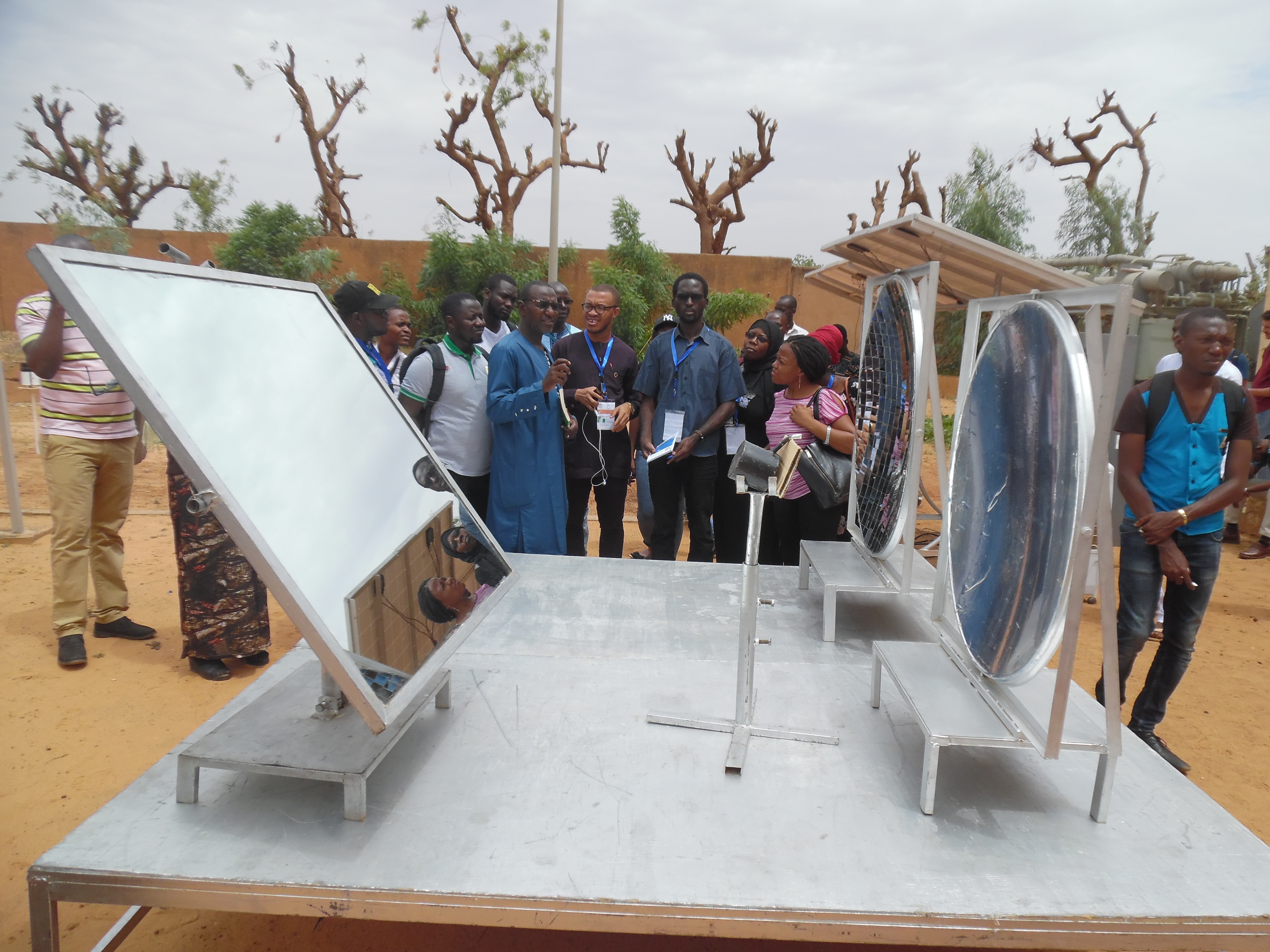
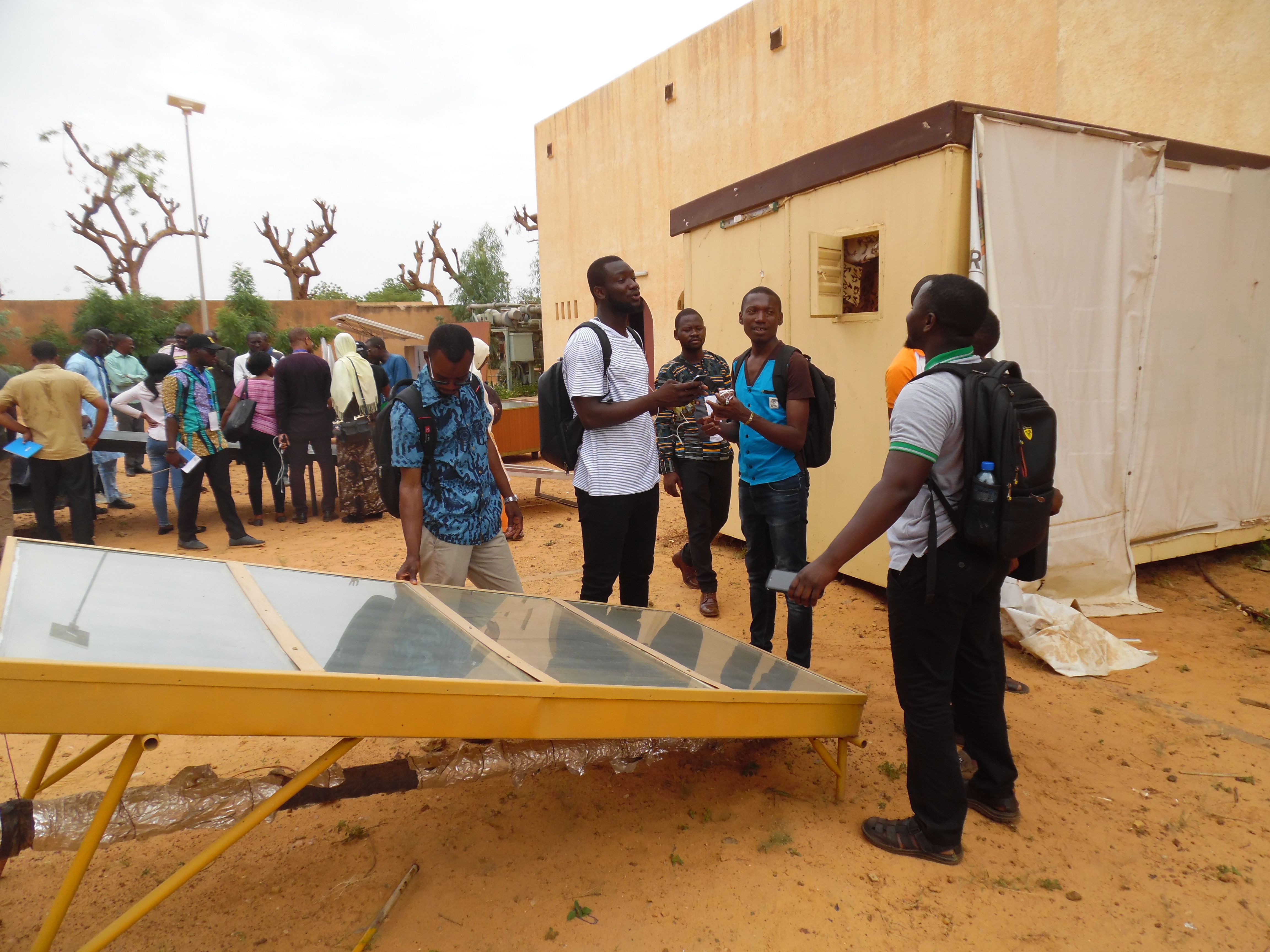
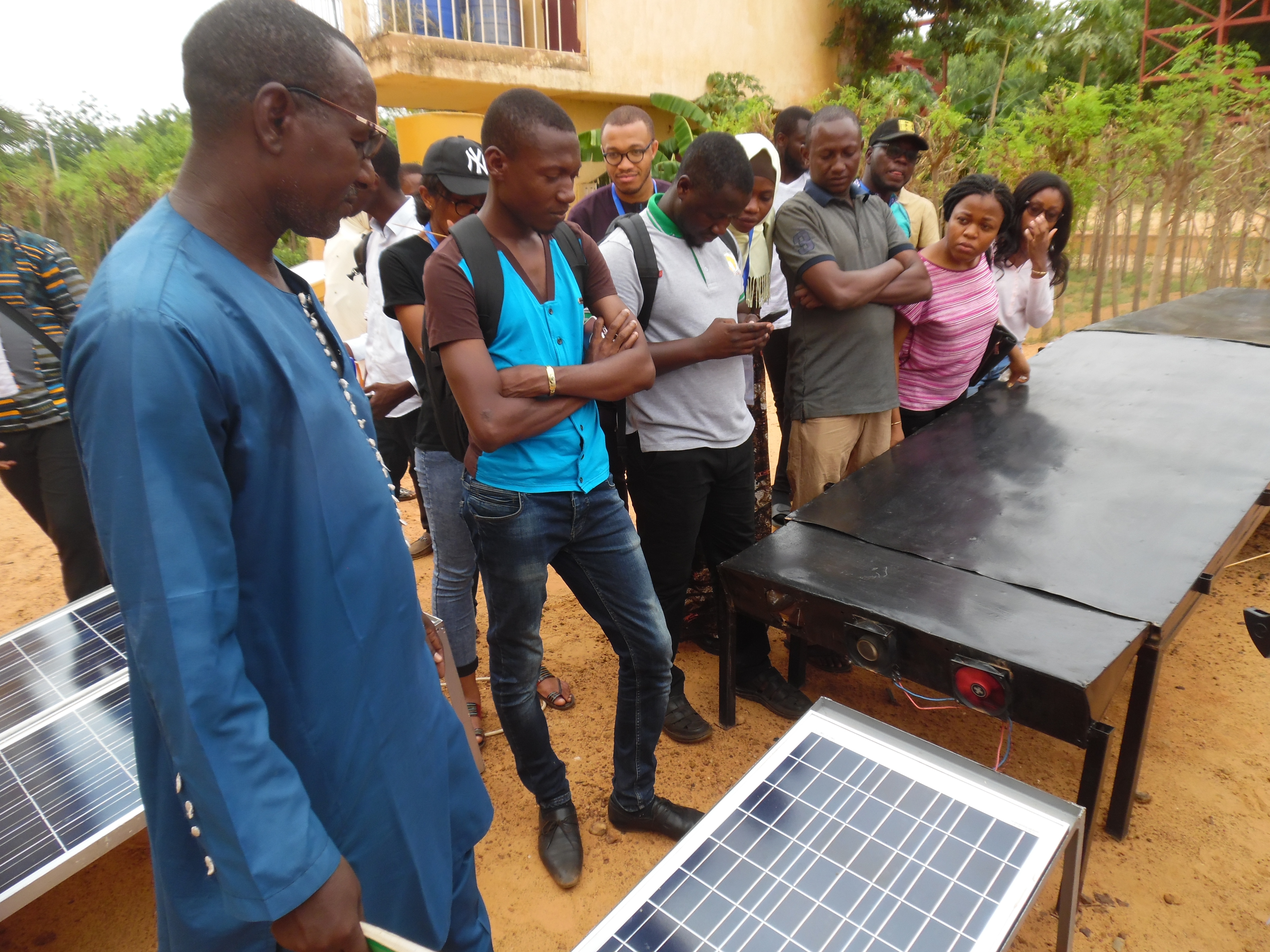
The National Agency of Solar Energy (ANERSOL) is specialized on Research and Development work on PV and Solar thermal Systems. The company also offer consultancy services regarding solar systems and carryout capacity building trainings. The Engineers in charge of the Solar PV and thermal systems showed the students the work they had done in promoting solar use in Niger. There was a mobile PV generator with a capacity of 320W which can be used at rural areas. Two CSP prototypes where also developed with temperatures of up to 500 degrees Celsius to compare their efficiencies, one using local glass for focusing the solar radiation and the other aluminum foil. There was also a solar oven constructed with glass to absorb and trap heat inside the oven when grilling meat, a solar dryer operational under natural convection drying and a solar pumping system.
Finally, the Engineer showed them the solar system they installed to power the ground and first floor of the building since the electricity supply from the grid is not reliable. The solar system had a capacity of 7kw and it was divided into four parts which shared 2inverters, 4 charge controllers and 12 batteries with a capacity of 800Ah.
Laboratory activities
1. Assembling PV panels and simulates the power generated from the PV
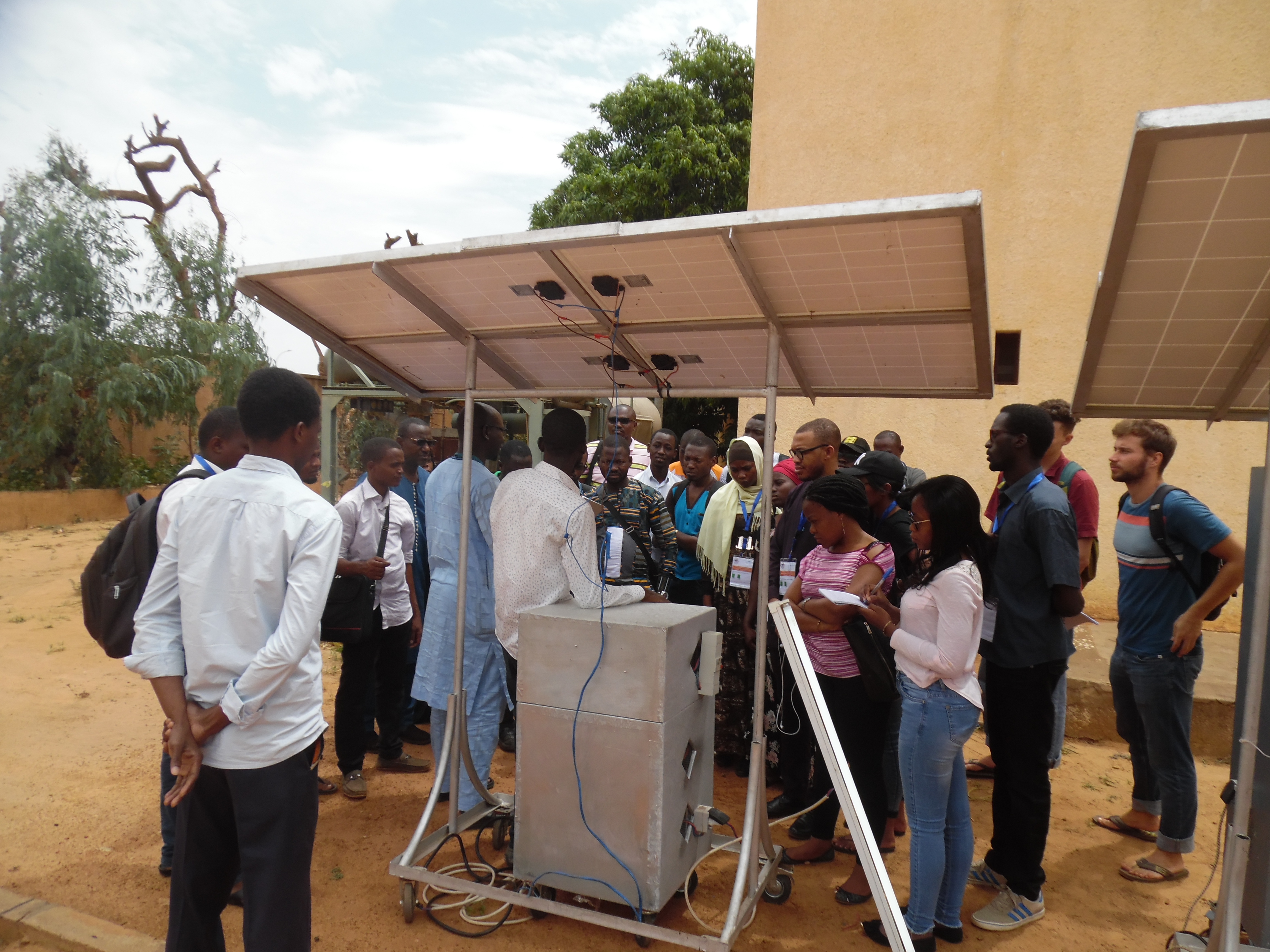
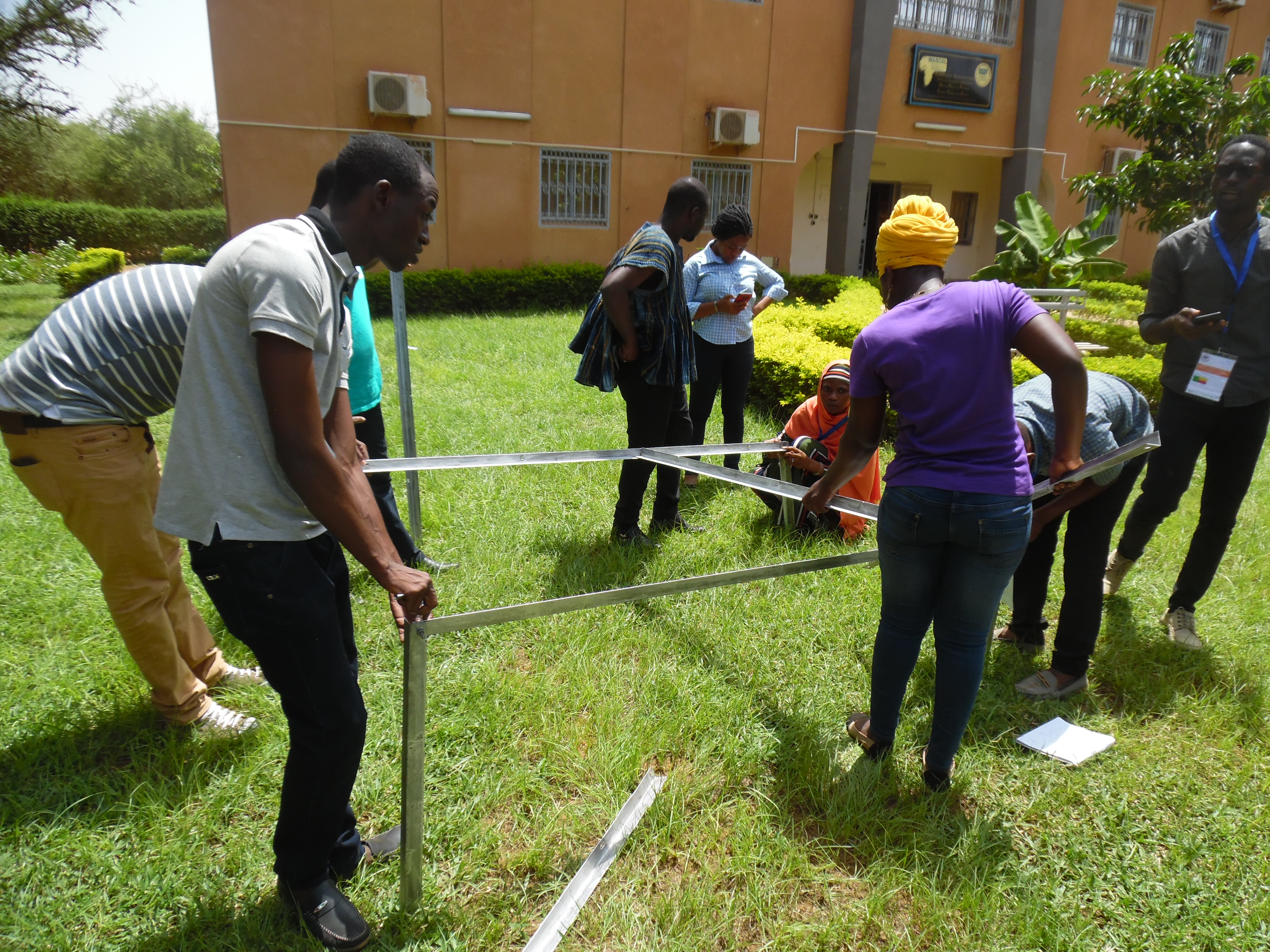
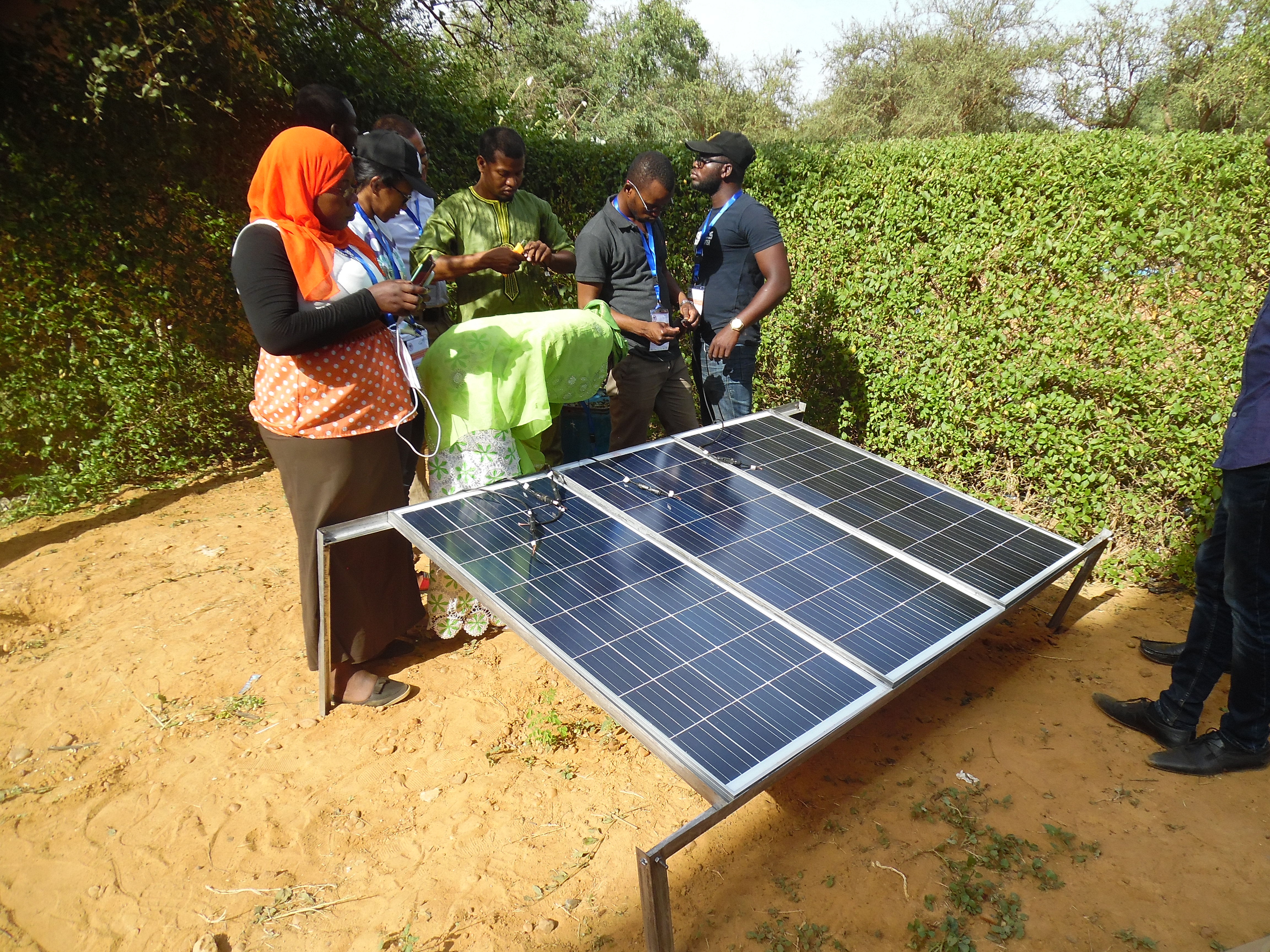
The overall aim of this activity was to install design a standalone solar power system, install it and simulate the power generated from the PV panels. The activity began with the division of all the students into two groups. Each group received a solar panel frame to assemble and mounted (see photo below).
The mains components of the system are as follow:
3 three PV panels of 12.5 Volt
1 inverter
1 solar charge controller
1 Led and 1 fan of 12 Volt
Some wires
1 Battery
After calculating the mains parameters namely:
Angle at which they are inclined (15 %)
Direction, depending on the hemisphere
Distance of the panels from the ground level
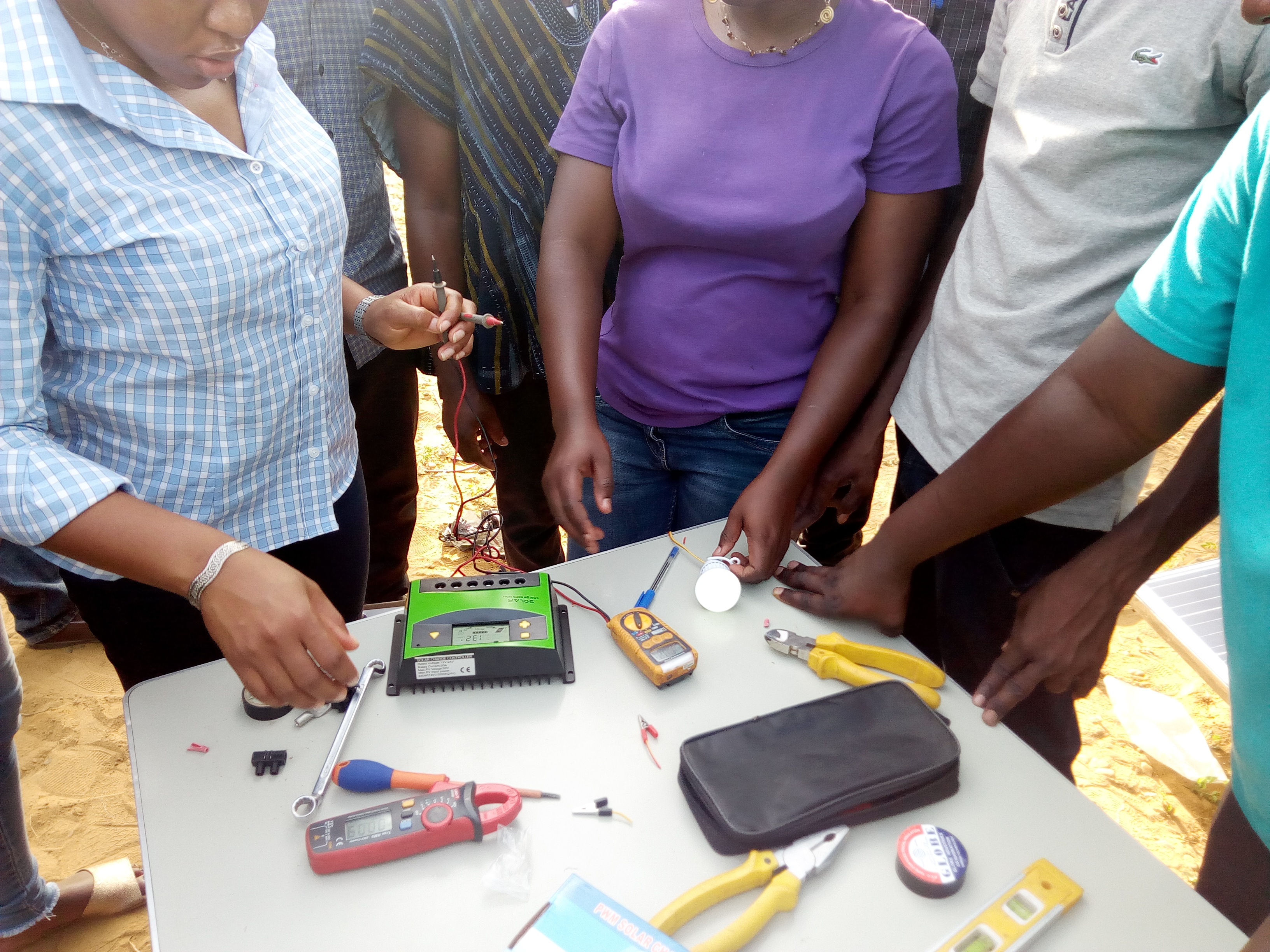
The 3 PV panels have been assembled on a metallic frame. The next step was the wiring. The 3 panels have been wired in parallel (to get an output of 12.5 Volt).
The PV panels have been connected to the solar charge controller, which purpose is to regulate the voltage and current coming from the panels going to the batteries, basically to keep the batteries from overcharging. The Battery has been connected to the solar charge controller. After, the power output was measured and a led has been used to test the power generated. The inverter was connected to convert the DC direct current output of PV panels into AC alternative current, for the use of common appliances. All this process is described in the pictures below.
The last step was focus to recapitulate the all operation by participants. And further explanations related to solar power generation have been given by Professor Rabani.

2. Making of Dye Sensitized Solar Cell (DSSC)
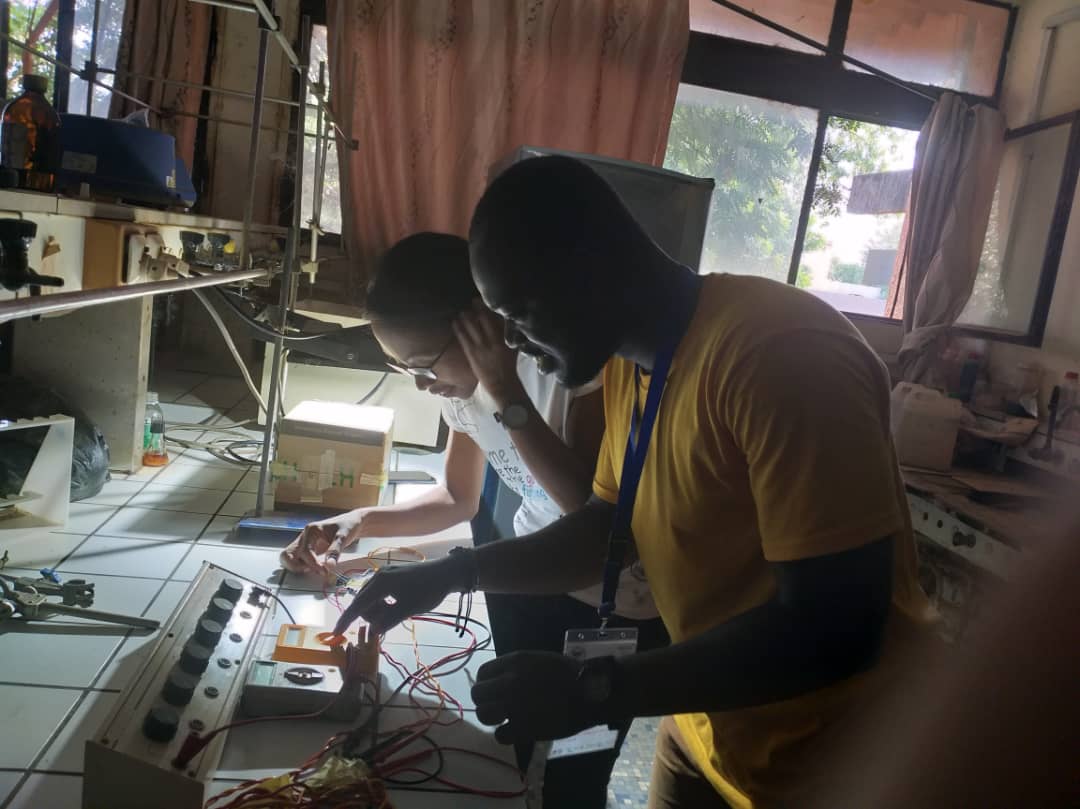
For Dye Sensitized Solar Cells (DSCCs), the lecturer has firstly presented the theory behind this technology and its advantages. Then, students moved to experimentation side of the laboratory to make their own PV cell based on DSSCs technology. For our experimentation, the students used sorghum extract as Dye. The process in summarized in the table below:
V. Visit National Museum and ZOO of Niamey
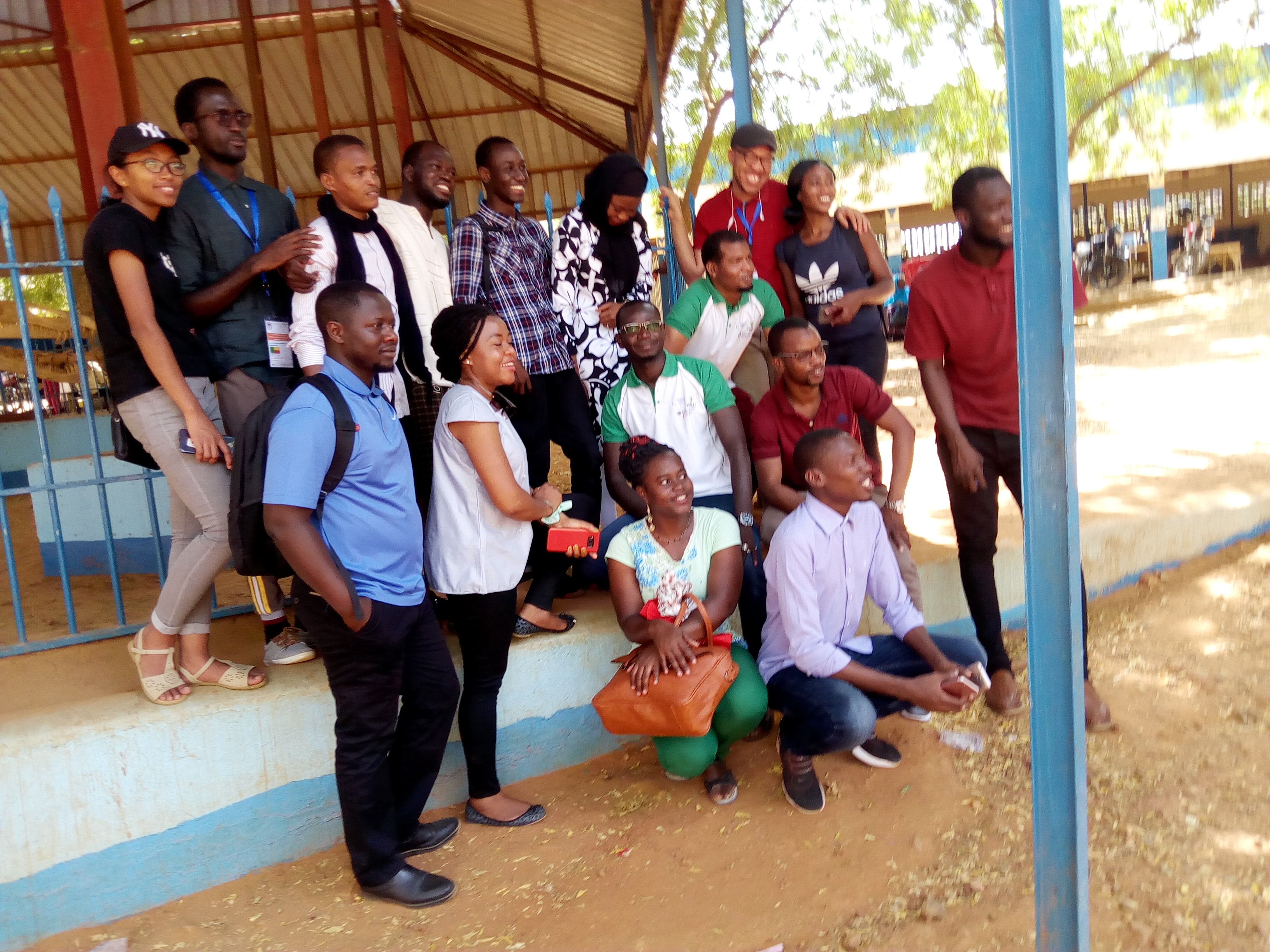
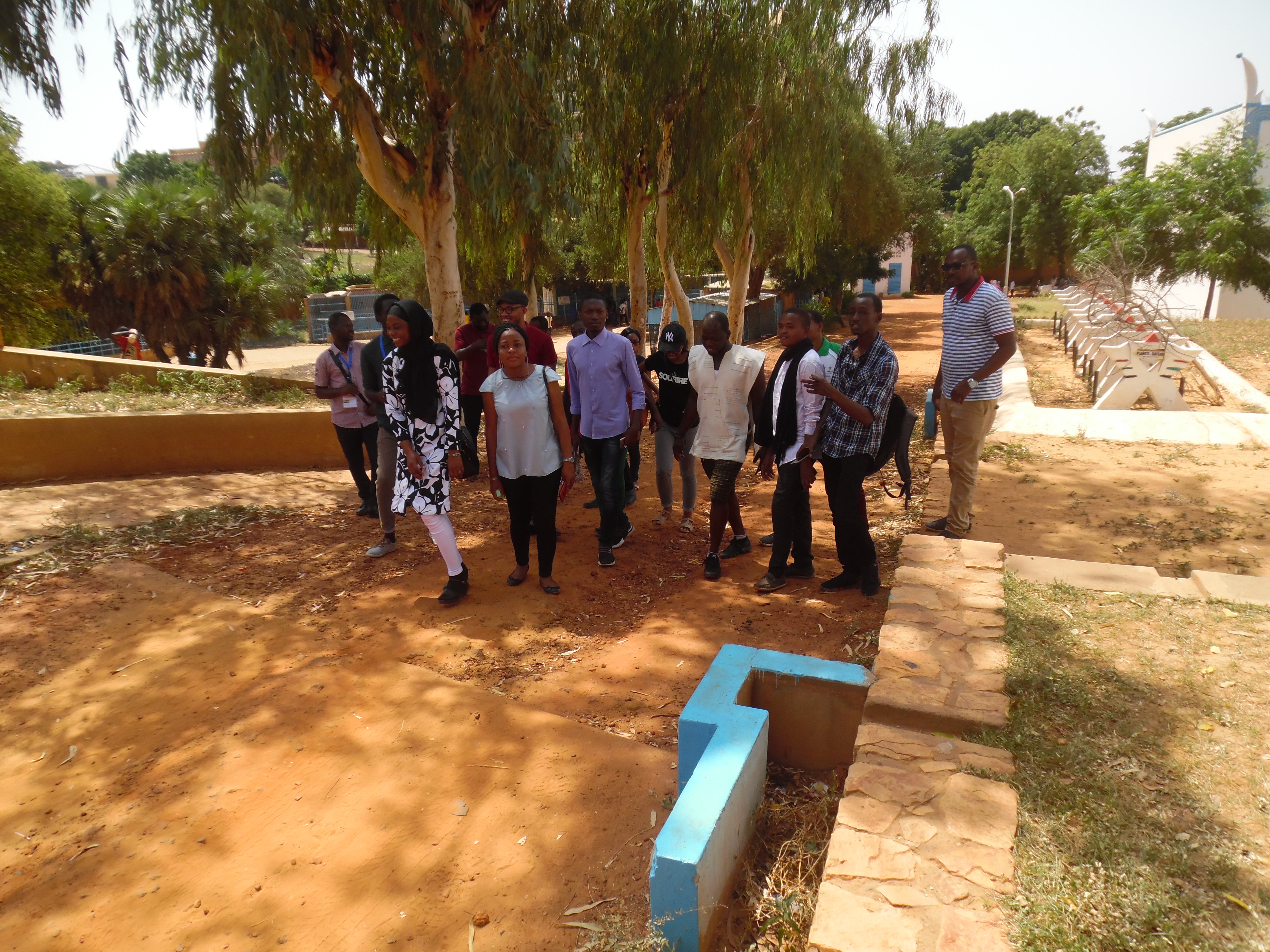
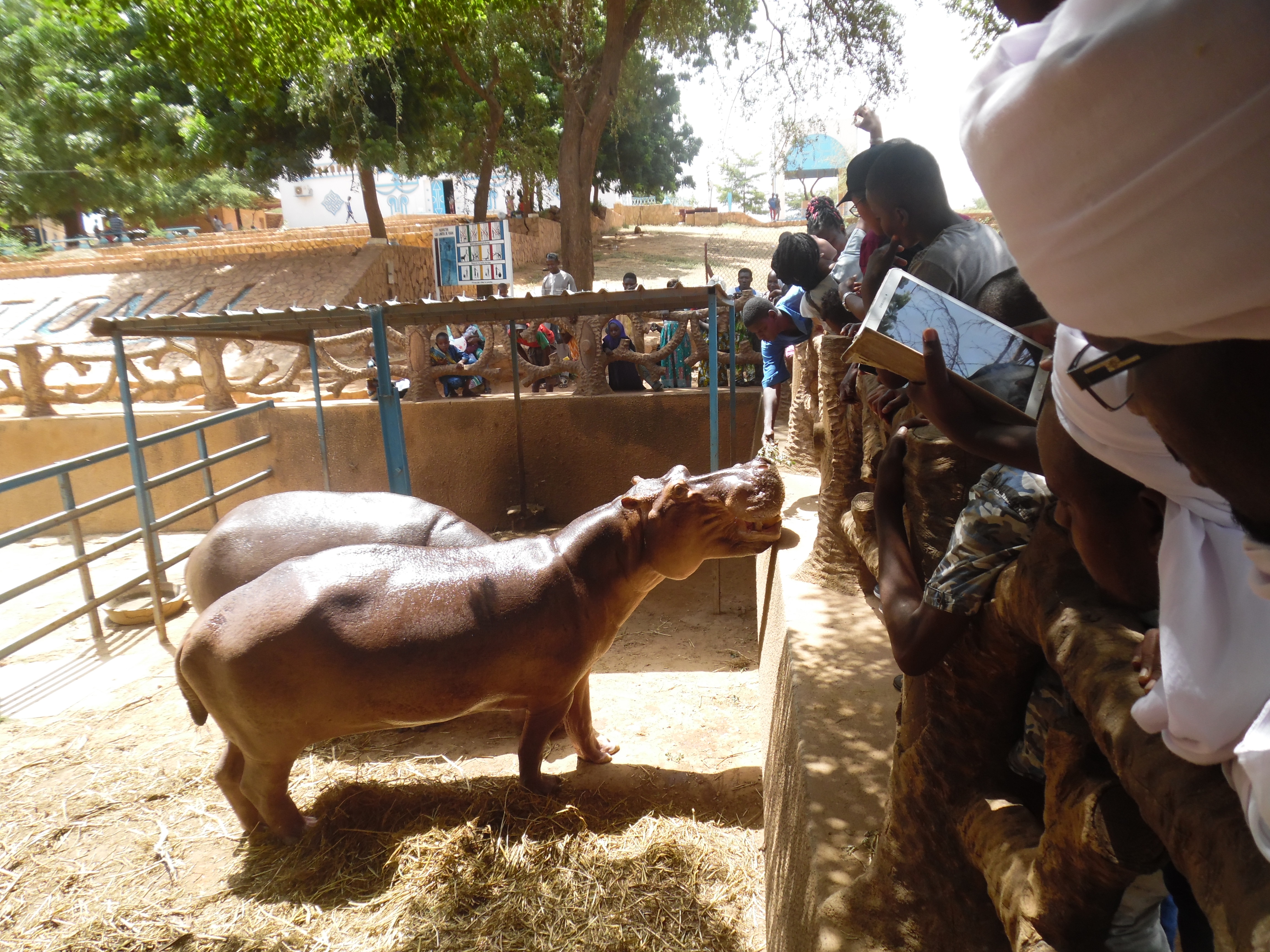
On Sunday 29 September, 2019 the WASCAL-PAUWES workshop team made a visit to the National Museum of Niamey. The huge park, which had been allowed to grow wild, is gradually being transformed into a series of attractive garden where inhabitants of the town of Niamey in ever-increasing numbers come to stroll. The National Museum has also become a meeting place for everyone who, for one reason or another, visits the Niger capital. The Museum has been created on December 18th, 1959 and Named National Museum BOUBOU Hama, the former president of assembly at that time while he was also novelist, writer, philosophe journalist and so on. The visit has been undertaken by both WASCAL staff and student that attended the workshop, this visit target to allow student mostly from PAUWES to discover the potential of tourism of Niger regarding: Wild Animals; Handcraft product; Traditional Music’s instrument; Natural resources Uranium pavilion etc.
The first section the students visited is the zoo section where some animals like lions, monkeys, hippopotamus, tigers, crocodiles, Hyenas, gazelles, ostriches… containing in cages. After watching them for a while, the group proceeded to another section where they saw the skeletal remains of dinosaurs which are believed to have lived in the desert of Niger some 150 million years ago.
The finally section the group toured was the art and craft section. At his section, thee students saw several artistic display of craftsmanship by the people of Niamey. From rings, bangles, leather wallets, sandals, bags, necklace, all the way to sculpture designs. They spent some time going around watching this magnificent artistic creativity of Niger. Some members of the group bought some of the items including leather sandals, wallets, rings and bangles.

VI. Oral presentation of research proposals
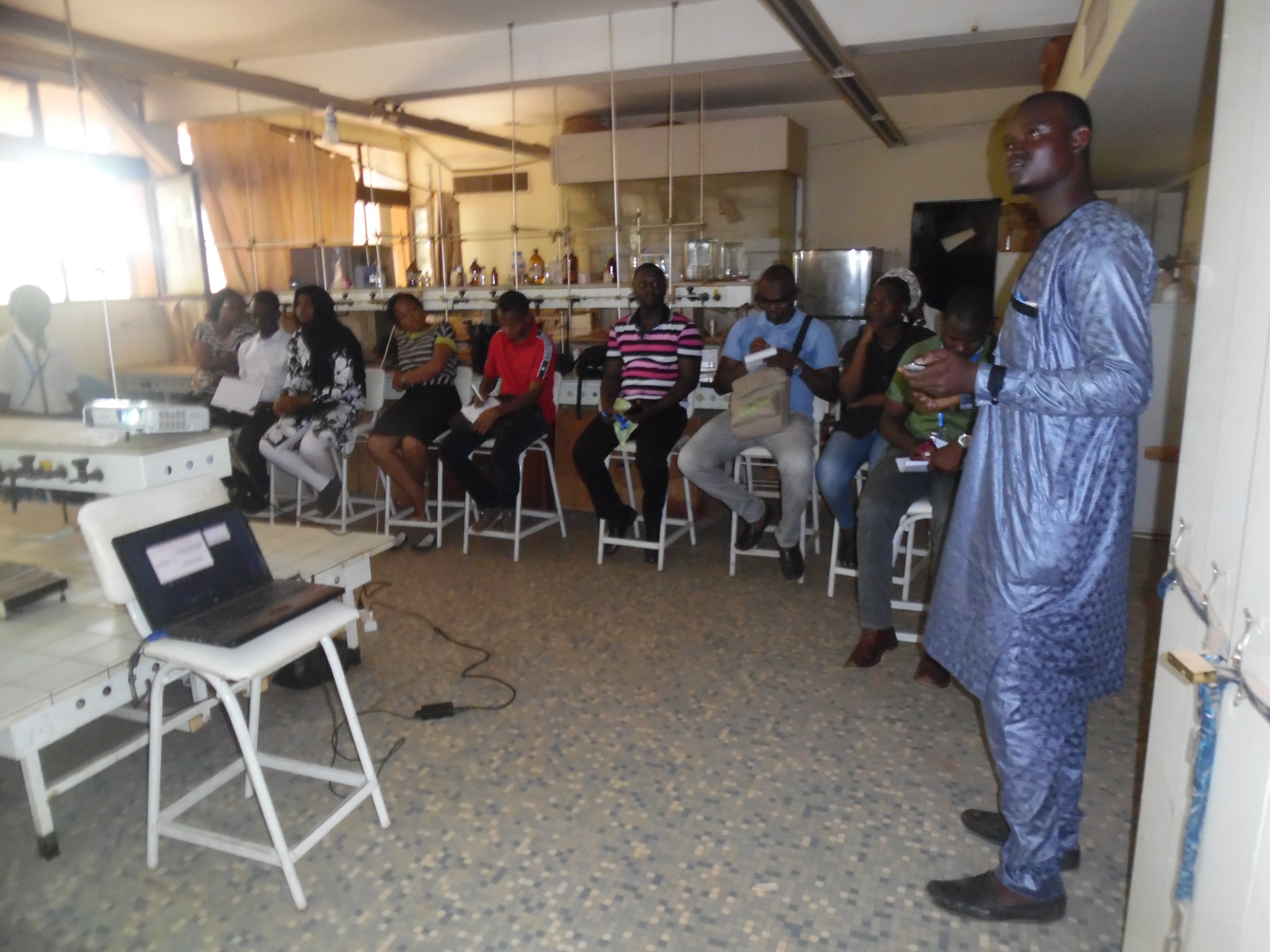
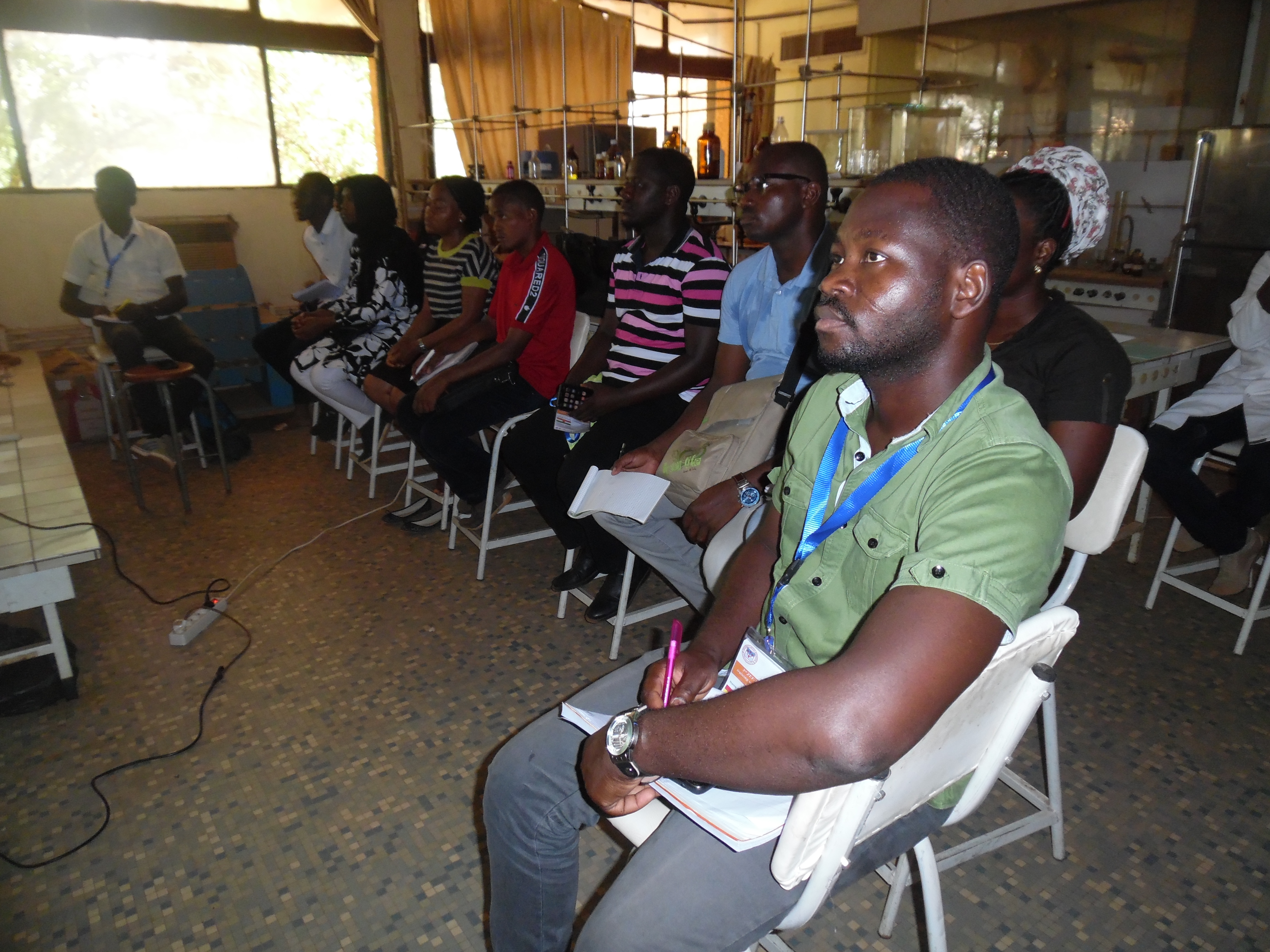
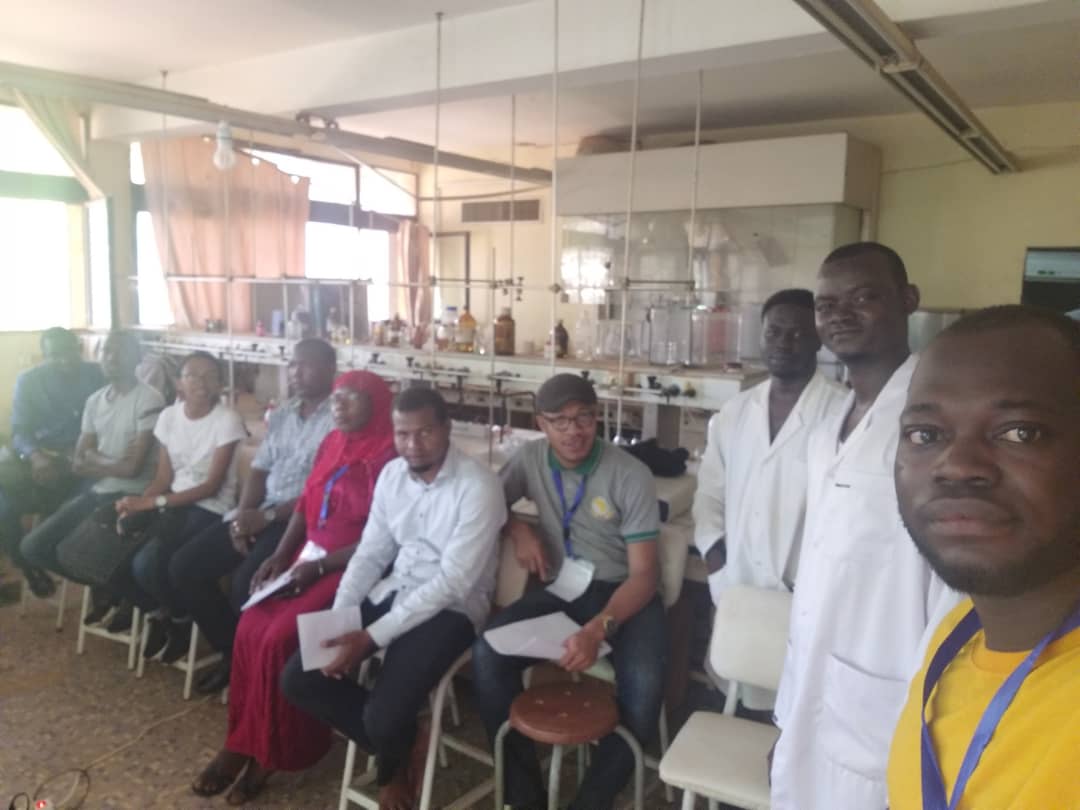
The oral presentation of research proposals started with the participating students of PAUWES and WAC-SRT all in attendance. The highlight of the day was the oral presentation of the Master’s thesis proposal of the 20 participating students. Prof. Inoussa and Dr. Soule were the lecturers in charge of this presentation session. Before the commencement of the presentations, Dr. Mounkaila mentioned the ground rules for the presentation.
For each of the presentations, there was a call for comments, questions, suggestions and some sort of academic advice. The whole essence was to make the proposed topic more relevant in filling knowledge gap in the energy field. Many students responded to the call also. The lecturers present also gave their corrections.
The tables below show the various topics presented by the 20 participating students and other personal information. The session came to end when the last presenter, Chinedu Miracle Nevo, concluded his presentation.
VIII. Closing ceremony and handling of participation certificates
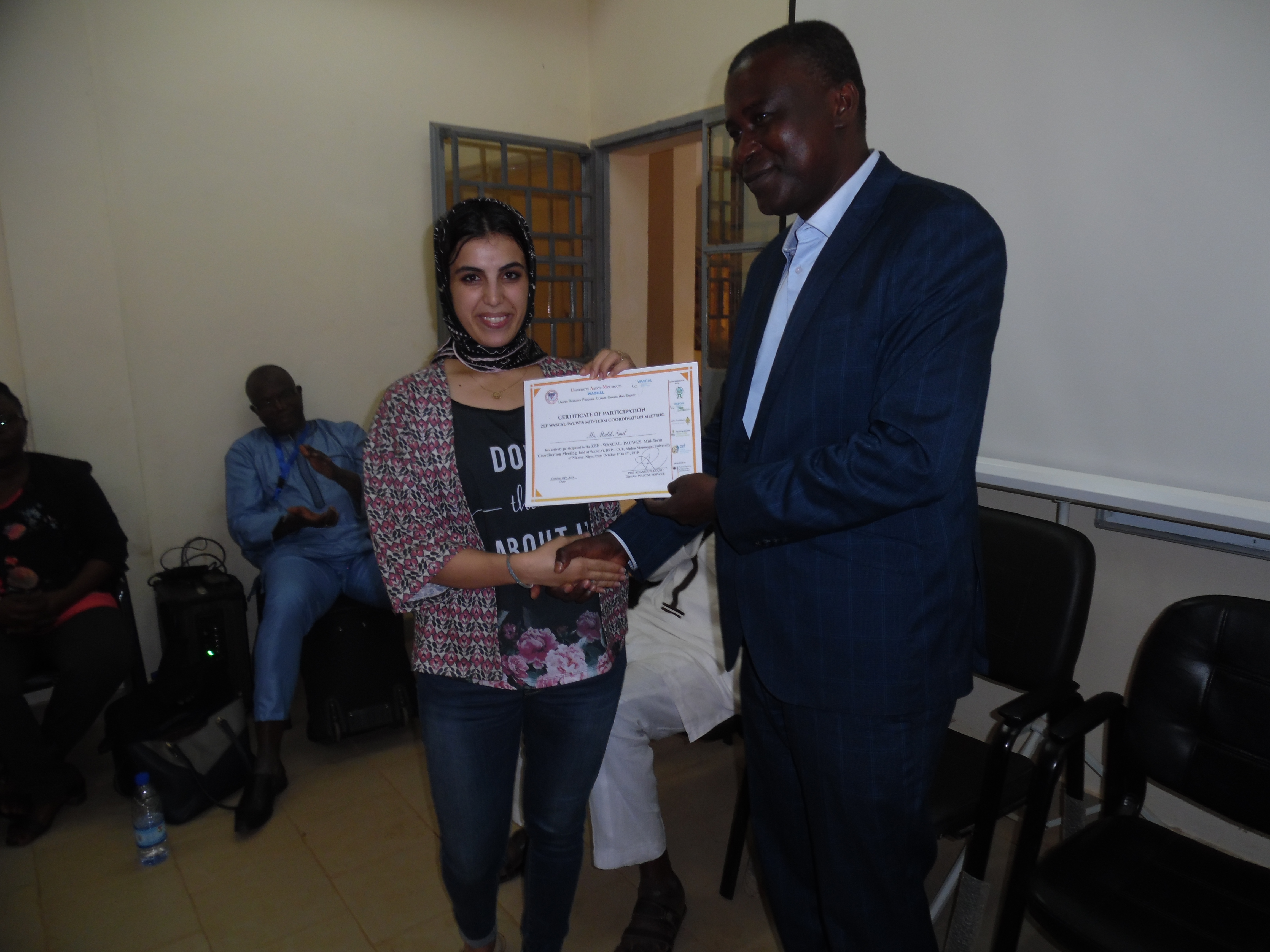
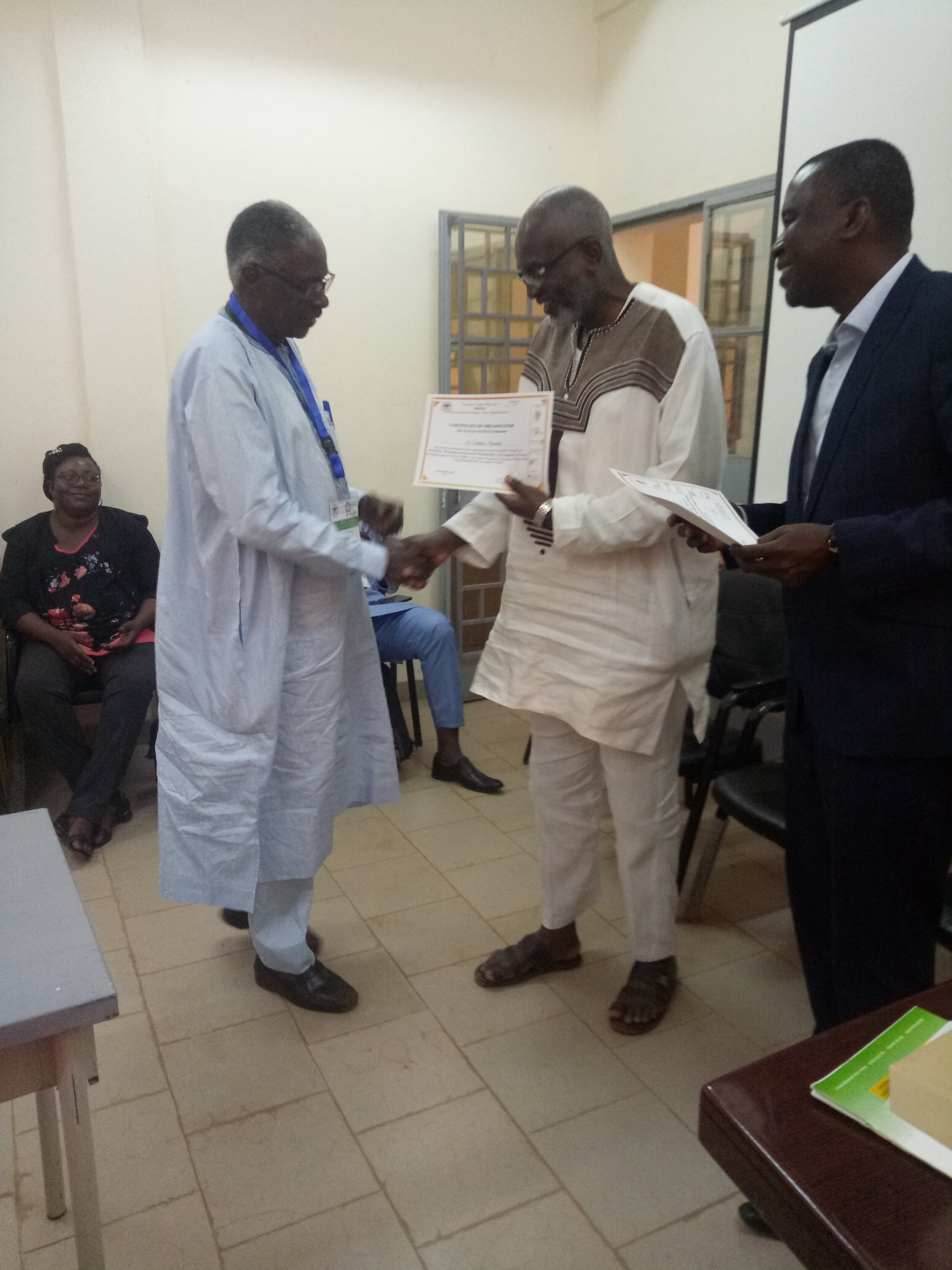
During the closing ceremony which took place at WASCAL building in the evening, the Director of WASCAL DRP-CCE, the Dean of the Faculty thanked participants and the various key persons who put together the workshop. They encouraged and advised also the students both from PAUWES and WAC-SRT to keep the relation to achieve their respective objectives. Certificates were given to participants and the workshop ended with a dinner.
IX. Conclusion
The workshop has helped the students to improve their knowledge in energy field, both in theory but especially in practice. The laboratory tasks and the field visits and solar panel installation was particularly beneficial for PAUWES energy students who have never had practical experiences so far at PAUWES. Furthermore, the lecture about research proposal writing was useful for the students who will start their master thesis research in few months. In addition, the workshop was an opportunity for the students to exchange and share experiences in energy and sustainable development and to enlarge their network. Finally, the 10 days spent in Niamey allowed the students to know about the local culture and to exchange with the local people.


VII. CSDAC 1st forum on SDGs
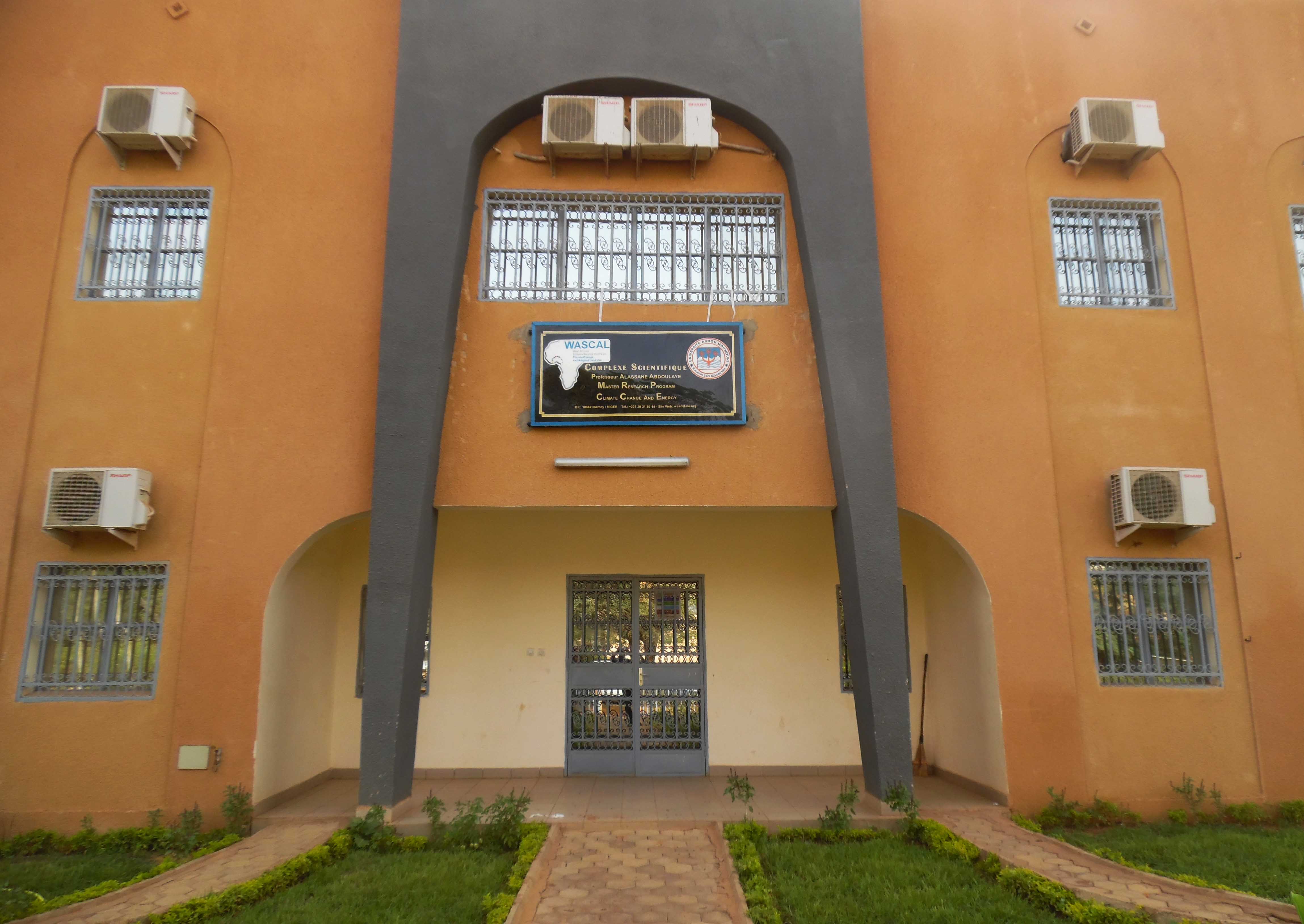
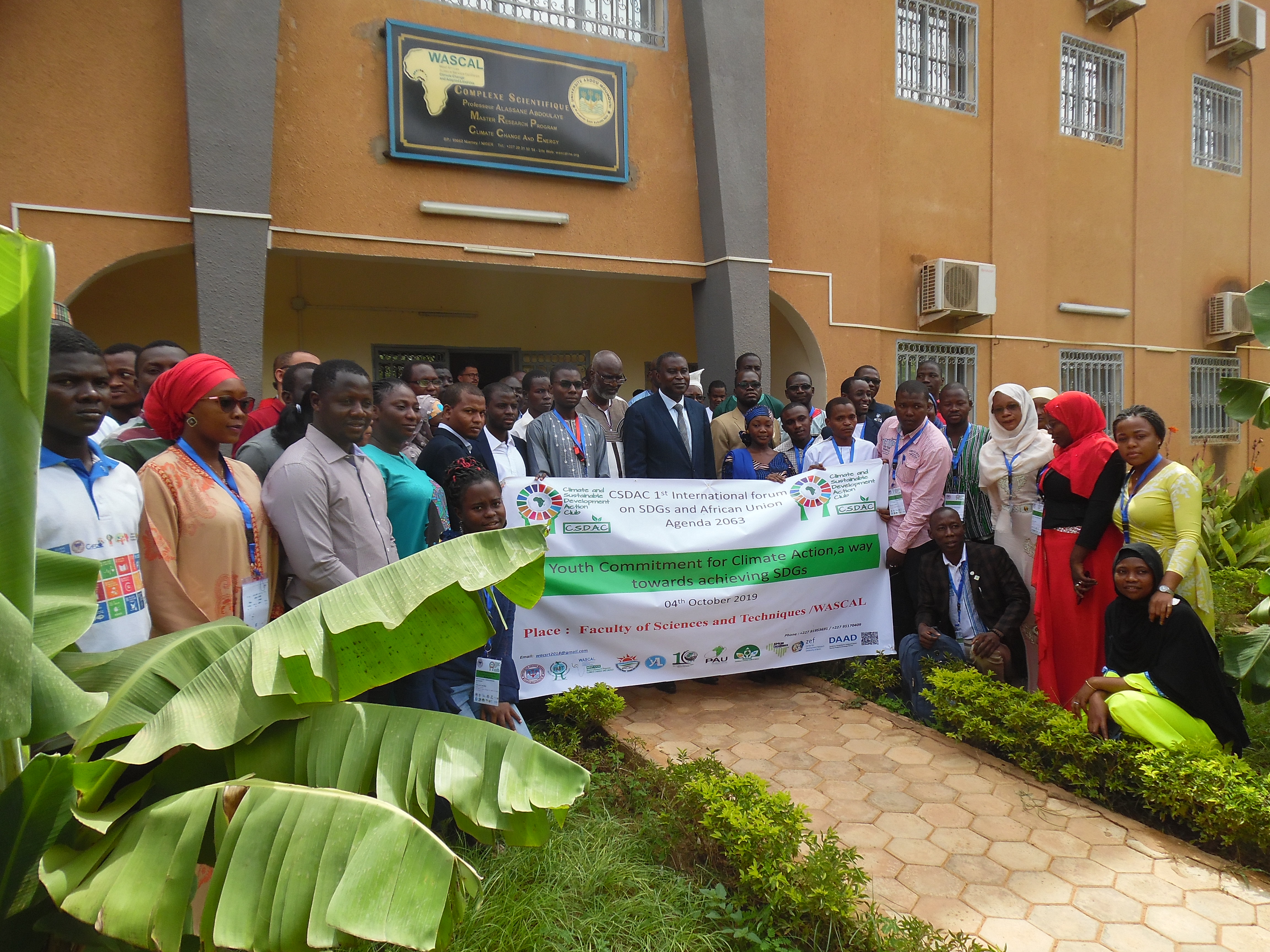
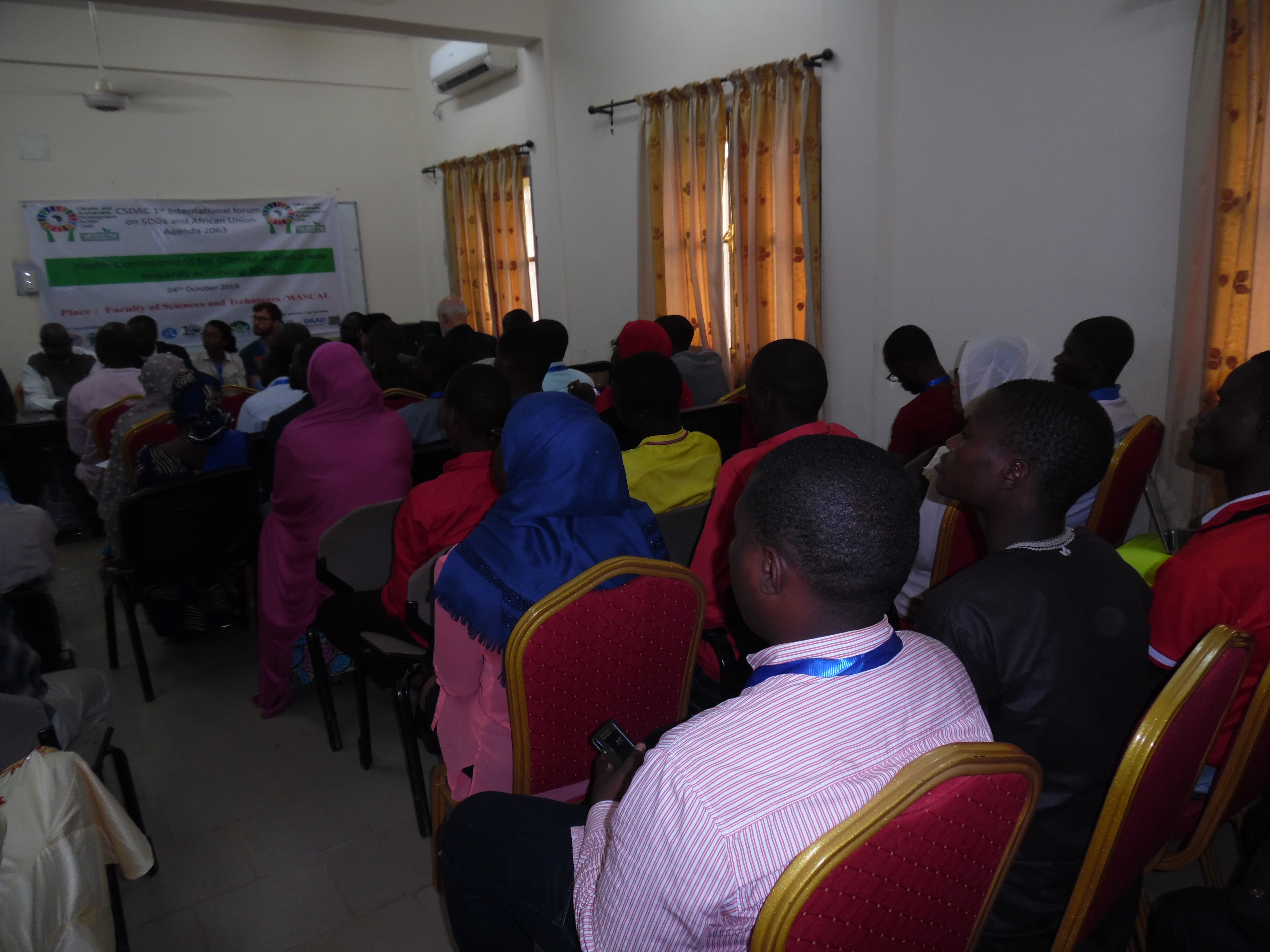
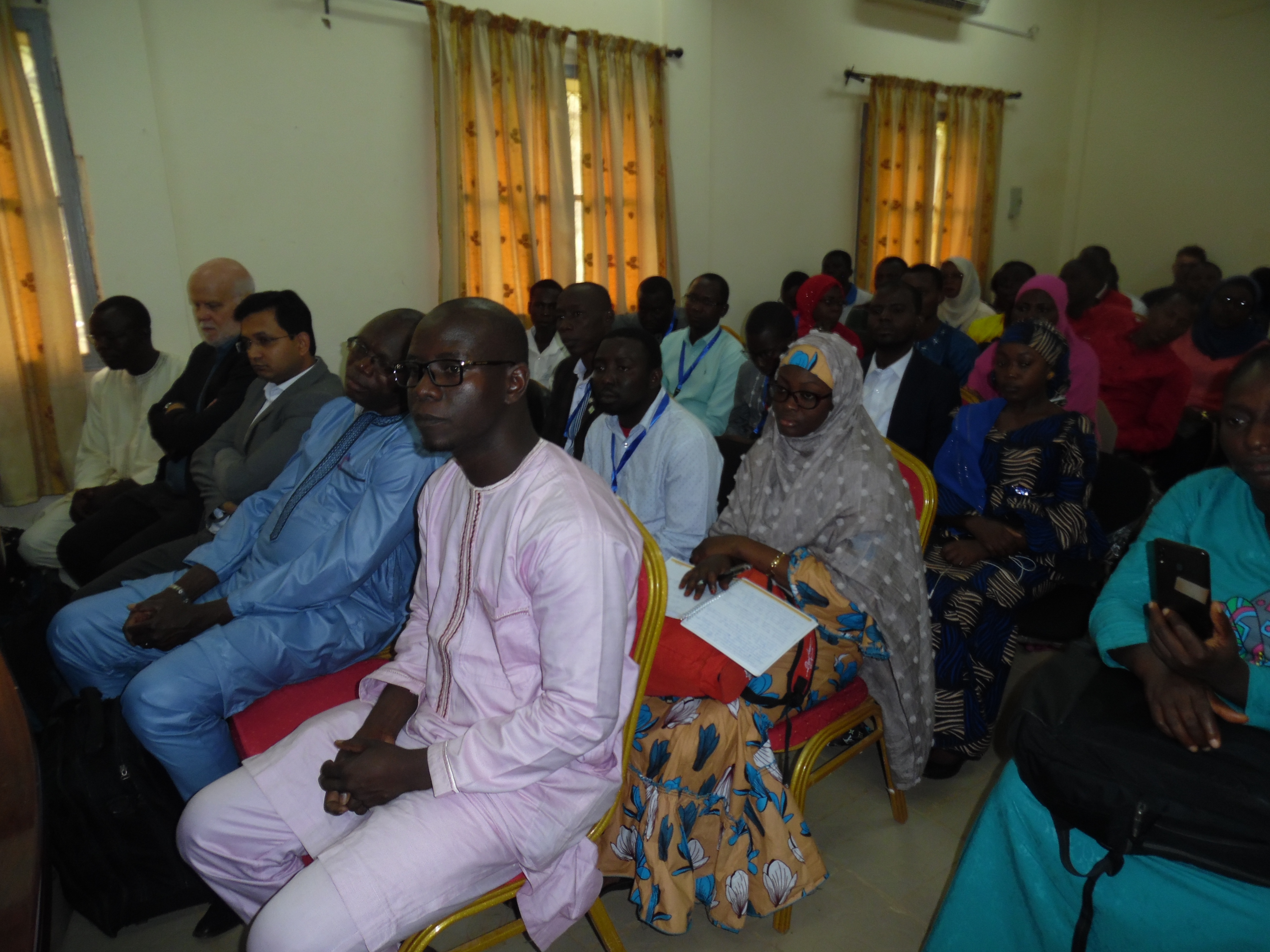
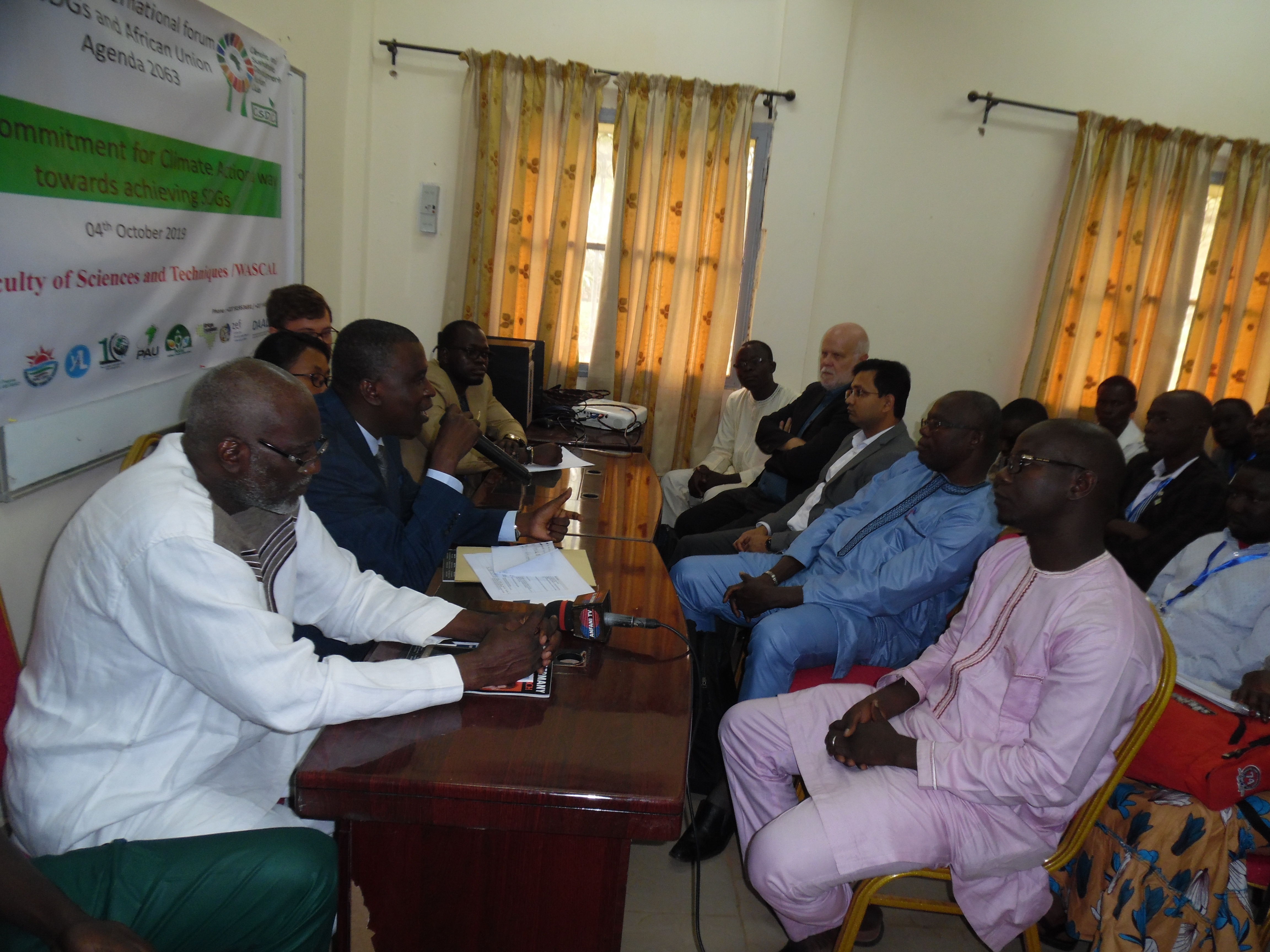
The CSDAC or Climate and Sustainable Development Action Club organized its first international forum on SDGs and AU agenda 2063 on Friday 4th October 2019. The venue was at the WASCAL building in the University Abdou Moumouni in Niamey.
The forum was on the topic: Youth Commitment for Climate Action, a way towards achieving SDGs. It brought together over 80 participants. Apart from the students at WAC-SRT, PAUWES and ITT, there were representatives of students from each department of the Abdou Moumouni University and the AGRHYMET, and also some young leaders from the JVE (Jeunes volontaires pour l’environnement) and the YALI (Young African Leadership Initiative).
The P-CCGC or Pan African University Climate Change and Gender Club, as the club which inspired the creation of CSDAC, was invited to the forum and was represented by its president Andriarisoa Mirana Njakatiana and its research coordinator Chinedu Miracle Nevo.
The event started at 11am with the welcoming speech of the director of the WASCAL institute Professor Rabani Adamou and Mr Geraldo Favi, the leader of the Club, followed by short speech of the guests who are: the Dean of the Faculty of Science and technology Professor Yacoubou Bakasso, a representative from the YALI: Mr Idrissa Seyni, the leader of the PAU Climate Change and Gender Club: Ms. Andriarisoa Mirana Njakatiana and finally a representative of ITT from Germany: Mr Lucas Kürten.
Then, after the group picture in front of the WASCAL buiding, Professor Solomon Nwabueze Agbo from the institute Jülich in Germany presented about his institution with interesting opportunities of research and study both for Masters or PhD.
After that, the lunch was provided at the venue and it allowed the participants from different countries and background to talk and exchange during the lunch break.
In the afternoon, the session was coordinated by Professor Julian Adounkpe and the first session was a presentation from Mr Hima Abdou, an expert on Agrobusiness. He gave a presentation about agriculture technologies: Interaction with stakeholders in Agriculture and he presented an application for financial and training support for young people who want to invest in agriculture value chain in Niger.
After that, there were series of presentation from the different clubs and initiatives:
Mr Oliver Kaleem from CSDAC who presented about the club, its activities and achievements
Dr Moussa who gave an overview about SDGs and call for individual initiative
Mlle Mirana Njakatiana Andriarisoa, who gave a presentation about the Pan African University Climate Change and Gender Club and a brief report about the Youth Climate Summit in New York on 21st September
Mr Lucas and Frederic, who did a presentation about the ITT in Germany
Mr Sani Ayouba, the leader of JVE who did a presentation about their organization and their activities
Before ending the ceremony, Geraldo Favi from WAC-SRT and Mirana Njakatiana Andriarisoa from PAUWES presented the fruit of the group research for extension projects for the Sekoukou village. The 3 following projects were suggested:
Safe-drinking water packaging
Milling machine
Garden irrigation from the water in the fishpond
The ceremony was ending with the certificate delivery for the professors and the students who attended the 3rd WASCAL – PAUWES – ZEF workshop and also to all the attendees of the forum. Before leaving, the participants had the opportunity to taste the mechanic, a traditional Nigerien food.
In one word, the first forum organized by the CSDAC was a success. Not only had the attendees got more knowledge about SDG and AU and particularly climate change issue, but also it was a great opportunity to exchange and share the experience. Hopefully, the workshop will enhance the commitment of young people for environmental protection and for the sustainable development of Africa.
Table : DSS Cell manufacturing processes
Steps Activities
1 Identification of the excited face of the glasses using a multi-meter.
2 Past a thin layer of titanium dioxide on the excited face.
3 Heat the glass at 500°C for 30 minutes using a simple electric resistance cooker.
4 Immerse the heated glass into sorghum solution.
5 Past a thin layer of platinum on a second glass excited face.
6 Heat this second glass at 400°C for 30 minutes.
7 Remove the glass previously immersed into sorghum solution from the solution and rinse it with methanol.
8 The two glasses (the titanium dioxide and the platinum) are stickled together to form a cell.
9 Iodide electrolyte is now spread in between the glasses.
10 The border of each glass is then connected to the multi-meter.
11 The cell is placed under simulating lab sunlight and a voltage varying between 0.11 and 0.4 V (on Direct Current) is read
Useful Links
Contact Us
For information, additional information on the program:
Tel.: +227 20 31 50 14 / 69 89 79 81
E-mail : drp-cce@wascal-ne.org
B.P: 10662 FAST Niamey